BIRD HEALTH
Is an All-Seed Diet Bad for Budgies and Cockatiels?
 PetvimoHealth Guide
Petvimo StandardReviewed against veterinary references
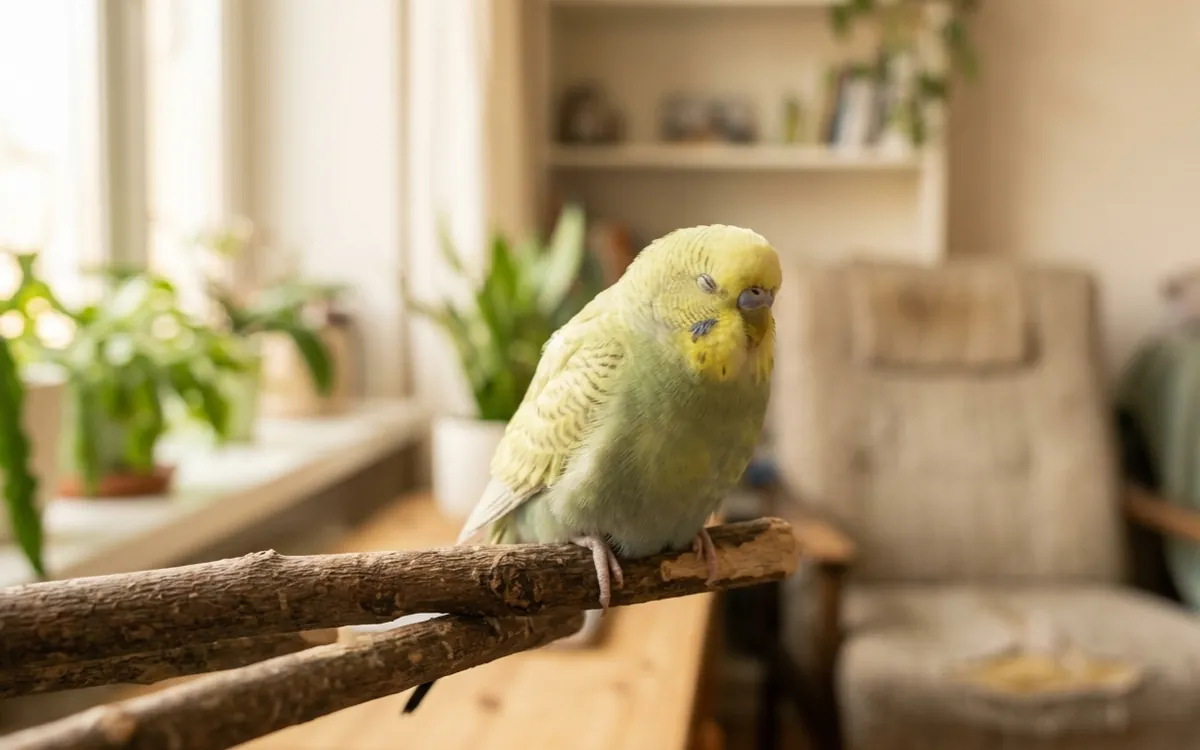
Many pet birds love seeds, but liking a food does not make it nutritionally complete. Seed-heavy diets are common in budgies, cockatiels, lovebirds, and parrots in the United States and can contribute to long-term health problems.
Why can seed-only diets be a problem? Many seed mixes are high in fat and deficient in important vitamins, minerals, and other nutrients. Long-term imbalance can contribute to obesity, poor feather quality, reproductive problems, liver disease, weakened immunity, and other health issues.
Why is diet conversion difficult? Birds can be highly selective and may not immediately recognize pellets or fresh foods as food. Removing familiar seed too quickly can result in inadequate calorie intake, especially in small birds.
What does a balanced plan look like? The ideal diet depends on species, age, reproductive status, and health. For many companion parrots, veterinarians often recommend a nutritionally complete formulated diet as a major component, alongside appropriate fresh foods and controlled treats. The exact proportions should be individualized with an avian veterinarian.
How can a veterinarian help? A veterinarian can evaluate body condition, weight, feathers, beak quality, and signs of nutritional disease. Birds with obesity, fatty liver disease, chronic egg laying, or other conditions may need a tailored diet plan.
Avoid random supplements Adding multiple vitamin or mineral supplements to an already fortified diet can create imbalances. Supplements should be used for a clear reason rather than automatically.
Petvimo can help owners track weight and food acceptance during a gradual diet transition, making it easier to notice if intake drops.
Frequently asked questions
Can birds eat seeds at all?
Seeds can be used in controlled amounts depending on the species and veterinary plan.
Should I switch overnight?
Usually no. A bird must continue consuming enough calories during conversion.
Please note: This article is for general information and does not replace a veterinarian's physical examination, diagnosis or treatment. If your pet has severe, sudden or worsening signs, contact a veterinarian.
Track this at home with Petvimo.
Log symptoms, appetite, water intake and daily changes in one place.
Get the App